
Published February 25, 2024
How To Remove Paint (from Almost Anything)

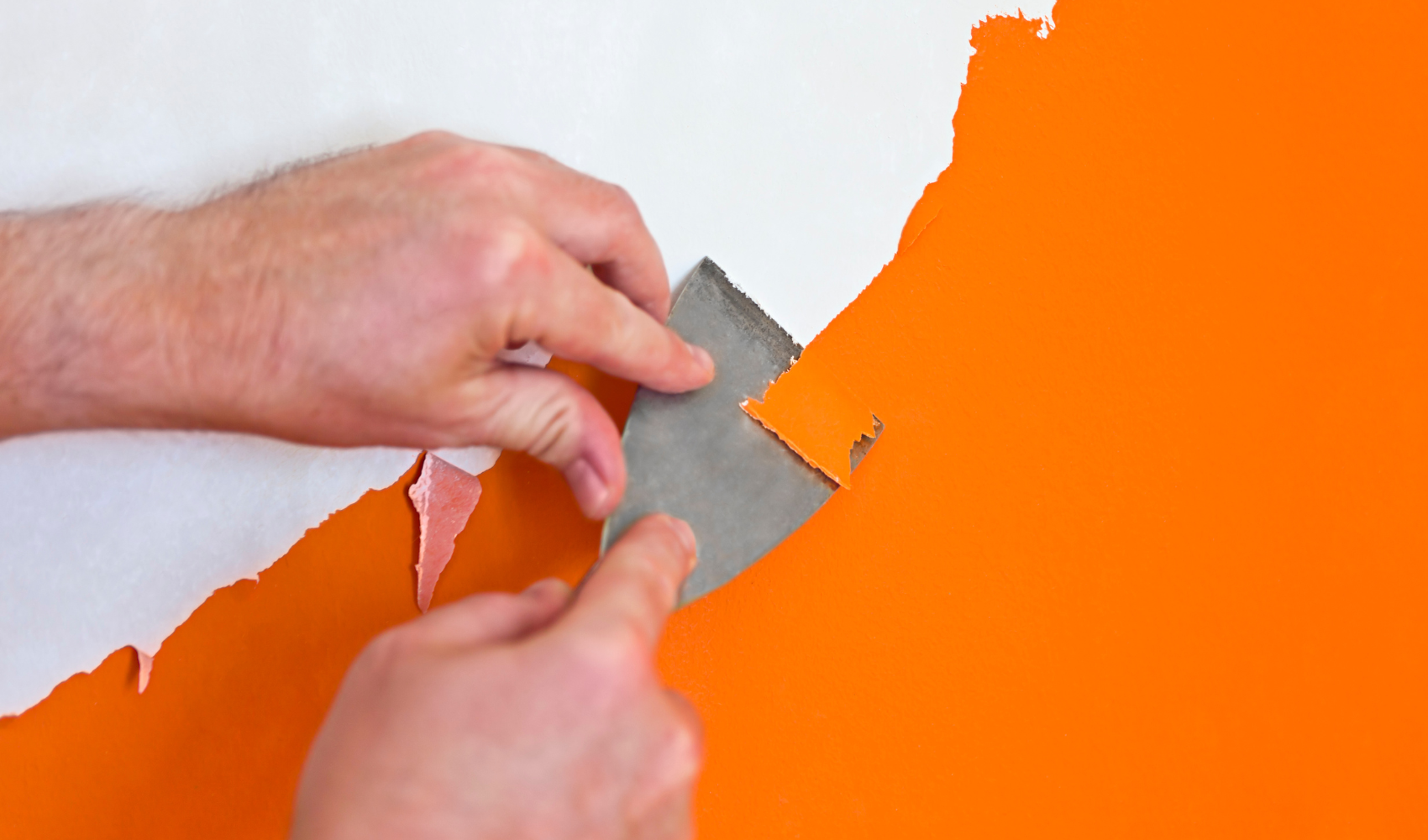
Paint removal can be tricky, particularly
in older homes, on ornate fixtures with many layers built up over the years, or
in hard-to-reach spaces. Despite the potential challenges, a fresh coat of
paint could make you happier, according to the National Association of
REALTORS? 2022 Remodeling Impact Report Whether the project involved repainting
just one room or the entire home interior, homeowners reported a joy score of
10 out of 10.
Regardless of the type of paint, where it has been applied, or the materials the paint is applied to, there's usually a way to get good results. Learn more about paint removal, ways to simplify the process, and situations when it's best to call in the pros.
When to Remove Paint
If you're looking for a perfect finish in
your home, removing paint before you reapply a new layer will usually produce
the best results. To remove paint from surfaces with chipped, peeling,
bubbling, or water-damaged paint, you'll need to clean them. Chipped and
peeling paint often means the paint is old. However, bubbling or water-damaged
paint may result from dampness. Removing water-damaged paint should be your
first step in investigating whether you'll need to deal with a more severe
problem, like mold or a leak.
Removing paint isn't always the best
option. For example, you can often repaint a well-maintained plaster wall
without removing existing paint. However, if paint needs to be removed, you
should understand the surface and the type of paint in question so you can take
the most effective approach.
Lead Paint Removal
You'll need to be especially careful if
you're removing lead-based paint, which is toxic when inhaled. Today, lead
paint is banned in the U.S. because of its high toxicity. However, some items
may contain lead paint, particularly in older houses built before 1940 and as
late as 1978. An easy-to-use lead paint testing kit can help you identify lead
paint in your home.
Since exposure to lead paint poses serious
health risks, removing it can be tricky for an amateur. It's best to hire a
professional for the job.
Cost of Removing Paint
Since there are many different types of
paints, substrates, and materials, paint removal costs can vary dramatically.
However, expect to pay $5 to $11 per square foot for paint removal. For
example, a 125-square-foot room may cost $489 to $1,183 in labor, $125 to $142
in materials, and $10 to $14 for waste removal.
How to Remove Paint
Most paint removal techniques are simple
when you're dealing with small surface areas. In some cases, such as when
dealing with chemical paint removal or large areas of paint removal, it's best
to turn to a professional.
Additionally, remember that you'll
encounter many different types of paint depending on the substrate or item the
paint is adhered to. Learning about these different types will help you decide
the best removal method.
Let's look at how to remove paint from some
common household materials.
How to Remove Paint from Walls
Most walls are finished with plaster, and
paint is added on top. If the plaster is in poor condition, you may want to
replace it and avoid the paint removal process entirely. If the plaster is in
good shape, but the paint is peeling, you can use a heat gun and scraper to
remove the paint. You can remove any stubborn areas with an electric sander or
chemical removers.
How to Remove Paint from Wood
Latex paint is the most popular choice for
wood. An electric sander is often the best way to remove any paint from a
wooden surface. You'll probably first need to sand off any varnish used to
protect the finish. Once you're through with this step, you'll start seeing the
original wood grain creep through.
In addition, you might try chemical paint
removers. Take care when using these products to prevent damage to the wood and
harm to yourself. Wearing personal protective equipment (PPE), safety goggles,
and a mask is essential. Heavy work gloves help too.
How to Remove Paint from Concrete
Removing paint from concrete can be tricky
because the surface is rarely uniform. An effective approach is to use a power
washer, particularly if the paint is already flaking away from the surface. The
power washer can create enough pressure to blast away the paint, and you can
loosen any particularly stubborn areas with a wire brush or chemical paint
removers.
How to Remove Paint from Brick
Painting brick is a problematic practice
that could damage your home. However, if you have painted brick and want to
restore it to its former glory, prepare to spend some time and effort. Power
washing is the way to go. Sandblasting is also an option, but if you use these
methods, you'll likely need to repoint the mortar and possibly replace badly
damaged bricks.
How to Remove Paint from Metal
Removing paint from metal can be difficult.
Many paints applied to metal items are designed to be highly durable, because
the items are often in exterior settings. The items may be powder coated, with
a thick finish that resists chipping, scratching, fading, and other damage.
Removing this type of metal paint will
require a metal paint remover or chemical bath, something that only a
professional should do. These commercial paint strippers may contain caustics,
acids, or solvents and require specialist equipment and PPE to remove the paint
safely.
Other types of metal paint found on fences
or garage doors, or in different areas of the home can usually be removed with
a combination of chemical removers, heat guns, and sanding. Depending on the
material, you may be able to work with a paint stripper designed for household
use from a home improvement store.
Removing Paint: Other Household
Materials
Here are some additional paint removal
projects you may need to deal with.
Removing Paint from Carpet
Generally, when removing paint from a
carpet, you can use natural paint removers, like household soaps and other
chemical-free products. However, a more advanced paint remover method may be
necessary depending on the age of the stain and the type of paint. For example,
water-based or latex paints are easier to remove from carpet, but acrylic and
oil paint spills may require more work.
Whether you've recently painted a room in
your house or you're trying to breathe fresh life into an old carpet, removing
paint stains is sometimes possible. Importantly, if the paint is still wet,
remove it right away; old paint drips may be harder to remove.
• Water-based
paints: Mop up the stain with warm water and soap.
• Oil or plastic-based paints: Work with stains while wet, scrape up any dried
paint, and use gentle solvents for anything remaining.
• Acrylic paint: If the stain is old, scrape off any dried paint off. Then,
scrub the stain with mild detergent and water and blot with a clean cloth to
absorb the color and solution. For a fresh paint stain, blot the excess paint,
and then scrub with a mild detergent solution.
With oil or acrylic paint stains, you may
be tempted to reach for paint stain removers and solvents such as hydrogen
peroxide or acetone. These chemicals can bleach or damage the carpet material.
Consider a patch test on a discreet corner of the carpet before applying any
chemical cleaning agents directly to your carpet.
Removing Paint from a Fireplace
If you have a painted fireplace, you can
remove the paint, but it can be a challenging process. Much like removing paint
from brick, removing paint from a fireplace can damage the brick itself.
Usually, it's best to hire a professional so that they can also repair any
damage.
Tips for Effective Household Paint
Removal
Removing existing paint is often necessary
to prepare your home for a fresh coat of paint. But this seemingly simple task
may require considerable know-how. Before embarking on a project, consider
these tips.
• Consider the
surface, the type of paint, and the skill level needed to effectively strip
paint for a project.
• Don't hesitate to contact a professional for tricky surfaces like brick.
• When DIY-ing, use the proper safety equipment and follow safety best
practices.
• Remember that solvents and paint strippers can impact the surface you're
working on. Seek advice from a professional regarding which paint strippers
will be most effective for your project.
Whether tackling minor touch-ups or significant remodeling projects for upcoming resale, the proper techniques and tools can help you remove unwanted paint and create the foundation for a fresh paint job and a whole new look.
Published: February 12, 2024


